Ingredients
Lemon Verbena: The Herb You Haven't Tried
The aromatic herb behind Drop 01 — where it grows, why it's rare, and what makes it irreplaceable.
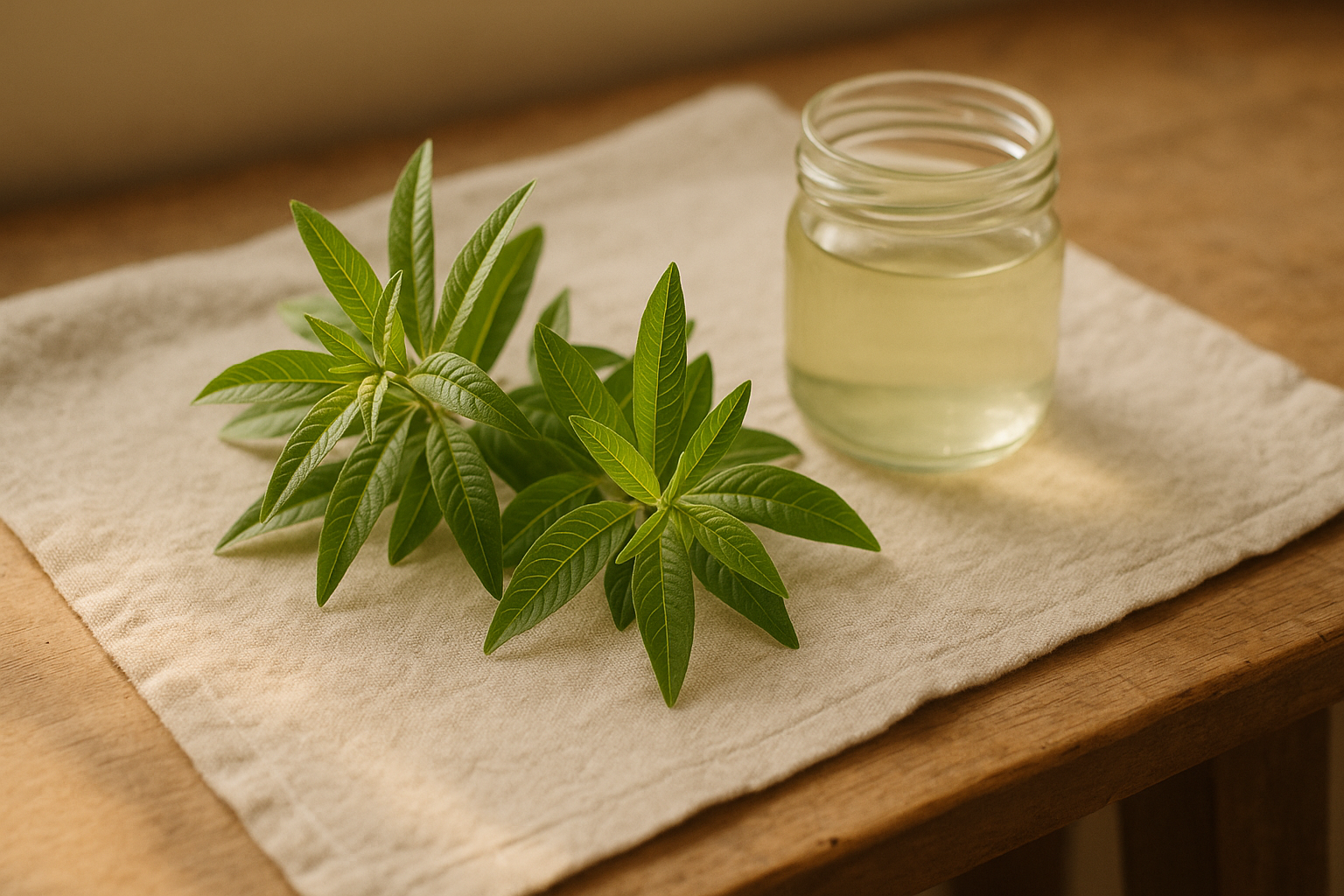
If you asked most people to name an herb, they'd say basil, mint, maybe rosemary. Lemon verbena rarely makes the list. But among herbalists, chefs, and perfumers, it has a reputation that borders on obsession. Once you smell it — truly smell it — you understand why.
A South American Native
Lemon verbena (Aloysia citrodora) is native to South America, where it was used for centuries in traditional medicine as a digestive aid and calming agent. Spanish explorers brought it to Europe in the 17th century, where it quickly became a fixture in French and Spanish gardens — prized for its intensely lemony aroma that's somehow more “lemon” than actual lemons.
The leaves contain citral — the same compound that gives lemongrass its scent — but in a more complex, layered form. Where lemongrass is sharp and singular, lemon verbena is bright, sweet, and slightly floral. It smells like lemon filtered through a garden.
Why It's Rare in Beverages
Despite its incredible flavor profile, lemon verbena is almost nonexistent in the commercial beverage world. The reason is practical: it's difficult to grow at scale. The plant is frost-sensitive, requires well-drained soil and full sun, and doesn't produce the kind of yield that industrial agriculture demands.
Most lemon verbena is grown by small herb farmers and home gardeners. It doesn't travel well once cut — the leaves bruise easily and lose their volatile oils within days. This makes it a perfect ingredient for a brand built on local sourcing and small batches, and a terrible one for mass production.
“Some ingredients are rare because they're exotic. Lemon verbena is rare because it demands care. That's exactly why we use it.”
— Jake, Head of Product
The Drop 01 Pairing
When we paired lemon verbena with fresh strawberries for Drop 01, the combination was immediately obvious and completely unexpected. The verbena provides a bright, aromatic backbone — citrusy and herbaceous. The strawberry adds body, color, and a soft sweetness that rounds out the edges.
Neither ingredient dominates. They meet in the middle, creating something that doesn't taste like “strawberry water” or “herbal tea.” It tastes like its own thing — which is exactly what a seasonal drop should do.
A Seasonal Ingredient for a Seasonal Product
Lemon verbena has a natural growing season that aligns with late spring through early fall. When the season ends, so does our access to fresh leaves. This isn't a limitation — it's the point. Drop 01 exists in a window. When the verbena is gone, this specific expression of Root Cellar goes with it.
That's the beauty of building around real ingredients instead of shelf-stable extracts. The product is alive with the season that made it.